

AI tools can give you a boost when you’re generating ideas and structuring your articles. But they tend to miss the key ingredients you need if you’re trying to build trust with your readers and rank well on search engines like Google. There, high-quality content is defined by its E-E-A-T framework: Experience, Expertise, Authoritativeness, and Trustworthiness.
Achieving these standards requires a level of nuance, authenticity, and accuracy that AI alone can’t provide. This is where human editors are essential. They bridge the gap between a machine-generated draft and a piece of content so it will connect with your audience and demonstrate your genuine knowledge, enhancing your credibility. This article explores the critical role of human editors in enhancing AI-assisted content to meet the high bar set by E-E-A-T.

What E-E-A-T means for content teams in practice
For content creators, E-E-A-T is a guide to producing valuable, user-focused content. Let’s break down what each component means on a practical level.
Experience refers to first-hand knowledge of a topic. If you’re reviewing a product, such as a laptop or an espresso machine, have you actually used it? If you’re describing a process, like changing a tire or planting a vegetable garden, have you done it yourself? Google wants to see content that comes from real-life involvement.
Expertise is about demonstrating a deep and skillful understanding of a subject. This is often shown through well-researched information, the correct use of jargon/terminology, and insightful analyses. If you’re dealing with technical, scientific, academic, medical, or financial topics, the author’s qualifications become even more important.
Authoritativeness relates to your reputation as a go-to source in your field. This is built over time through consistent, high-quality content, positive reviews, and mentions from other respected sources. Citing credible data and linking to influential websites also helps you establish your authoritativeness.
Trustworthiness is the foundation of it all. It means being honest, transparent, and accurate. Your content must be free of errors. Any claims you make should be supported by evidence. Users also need to be sure you’re not out to scam them. For topics that can impact a person’s health or finances (what Google calls “Your Money or Your Life” (YMYL)), trust is absolutely critical.

Where AI-assisted drafts often fall short
While AI can produce grammatically correct and well-structured text, the human qualities at the heart of E-E-A-T are absent. AI-assisted drafts often fall short in several key areas that are crucial for building reader trust.
First, AI tools lack real experience. An AI model can describe the features of a new internet browser, for example, but it can’t share the users’ genuine frustration when they’re struggling to navigate a confusing menu, or their delight when they discover some fun new emojs. This lack of first-hand insight leads to generic content that feels impersonal and unhelpful. Readers connect with stories and authentic perspectives, which AI can only imitate.
Second, AI-generated content usually lacks specificity and concrete examples. It might state that a certain strategy “improves productivity,” but it won’t provide a real-world case study showing how XYZ Tech reduced their project timelines by 15%. Human writers and editors can add these specific details, data points, and anecdotes that make content more believable and valuable.
Third, AI can make careless or inaccurate claims. Because AI models learn from vast amounts of internet data, they can sometimes present outdated information or even “hallucinate” facts that are completely false. These tools don’t have the critical, human judgment to evaluate sources or understand the responsibility that comes with making claims, especially on sensitive topics. A human editor is essential for fact-checking and ensuring every statement is accurate and carefully worded.

How human editors improve credibility signals
A human editor’s work directly strengthens the signals that contribute to E-E-A-T, crafting a generic AI draft into a credible and authoritative piece of content.
Editors enhance expertise by refining the language to make sure it’s precise, professional, and appropriate for the target audience. They can spot when technical terms are used incorrectly or when an explanation is either too simplistic or overly complex. This extra level of polish makes the content sound like it was written by a true expert.
To build trustworthiness, editors focus on clarity, consistency, and tone, removing awkward phrasing and robotic sentences. An error-free, well-written article signals that the publisher is professional and cares about quality. This attention to detail is a powerful trust signal.
Human editors also help build authoritativeness by ensuring the content is well-supported. They might suggest adding citations to reputable studies, linking to primary sources, or including a detailed author bio to showcase credentials. They make sure the content aligns with the brand’s established voice, reinforcing its position as a reliable source of information. By identifying gaps in logic or areas that need additional support, editors push the content to a higher standard of quality.
Building an E-E-A-T review checklist for agencies
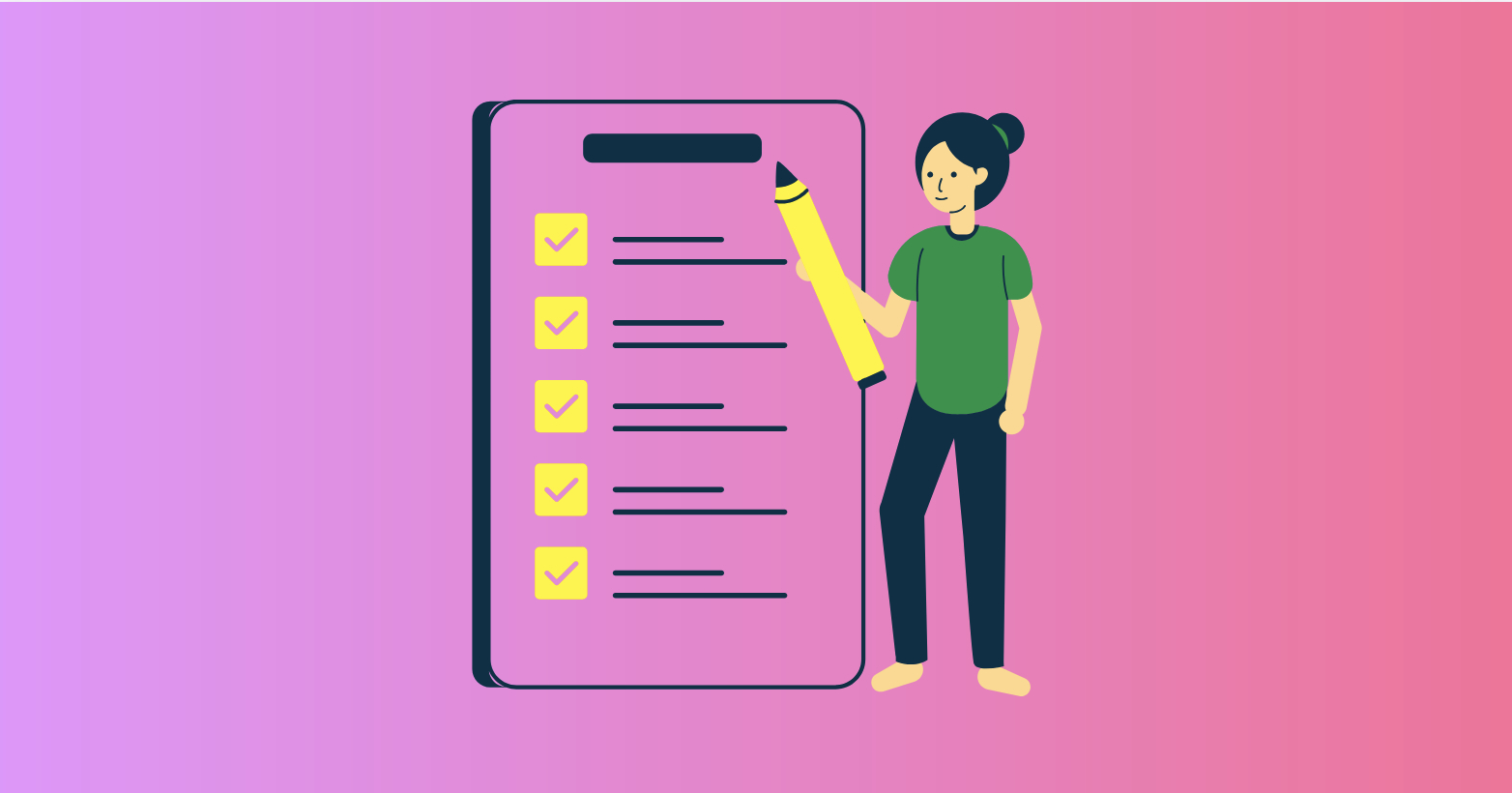
To consistently produce high-quality, E-E-A-T-compliant content, agencies and content teams should adopt a structured review process. This checklist can be integrated into your workflow to guarantee that every piece of AI-assisted content gets the human oversight it needs.
Step 1: Perform a thorough fact-checking and accuracy review. Question every statistic, claim, and piece of data. Does it come from a reliable source? Is the information current? This step is non-negotiable when you’re building trust.
Step 2: Carry out an authenticity and experience check. Ask yourself if the article sounds like it was written by a real person with genuine experience. Look for opportunities to add unique insights, personal anecdotes, or real-world examples that can’t be easily replicated by an AI.
Step 3: Evaluate the clarity and tone. Is the message easy for the target audience to understand? Is the tone helpful, professional, and consistent with your brand voice? Remove any jargon or overly complex sentences that could confuse the reader.
Step 4: Complete a meticulous grammar and style review. A polished final product shows professionalism. Ensure the content is free of spelling mistakes, grammatical errors, and awkward phrasing. This final polish is where the content truly begins to shine and earn the reader’s confidence.
Add TextRanch to strengthen clarity and trust before publishing
Even with a strong internal review process, a final check by a fresh pair of eyes can make all the difference. It’s easy to miss small errors or unnatural phrases when you’ve been working on the same document for hours. This last step is crucial for guaranteeing the final piece is polished and professional, directly impacting its trustworthiness.
The professional editors at TextRanch can offer that final layer of quality assurance that your content is accurate and that it reads naturally and professionally. Our editors specialize in refining clarity and tone, which are key components of building trust with your audience. This human touch helps bridge the final gap between a good AI draft and great, E-E-A-T-compliant content that resonates with readers.

Credibility is built through details, not just fluent sentences
In the current landscape of digital content, AI tools can be used to accelerate research, drafting, and ideation. But they can’t replace the critical thinking, real-world experience, and nuanced understanding of a human.
Achieving high standards of E-E-A-T requires a partnership between technology and human expertise. Credibility isn’t earned through AI-generated sentences, but on a foundation of accuracy, authenticity, and a genuine desire to provide value to the reader. By integrating human editors into the workflow, content teams can ensure their AI-assisted content is trustworthy, authoritative, and truly helpful.


Ask an Editor: A New TextRanch Feature!
Proofreading vs. Editing: What’s the Difference?
Human Editors: Why Do You Need One?
How can I improve my understanding of native-English speakers? Part 1